info@vjscans.in|
 +91 958 5335 552


 info@vjscans.in| +91 958 5335 552
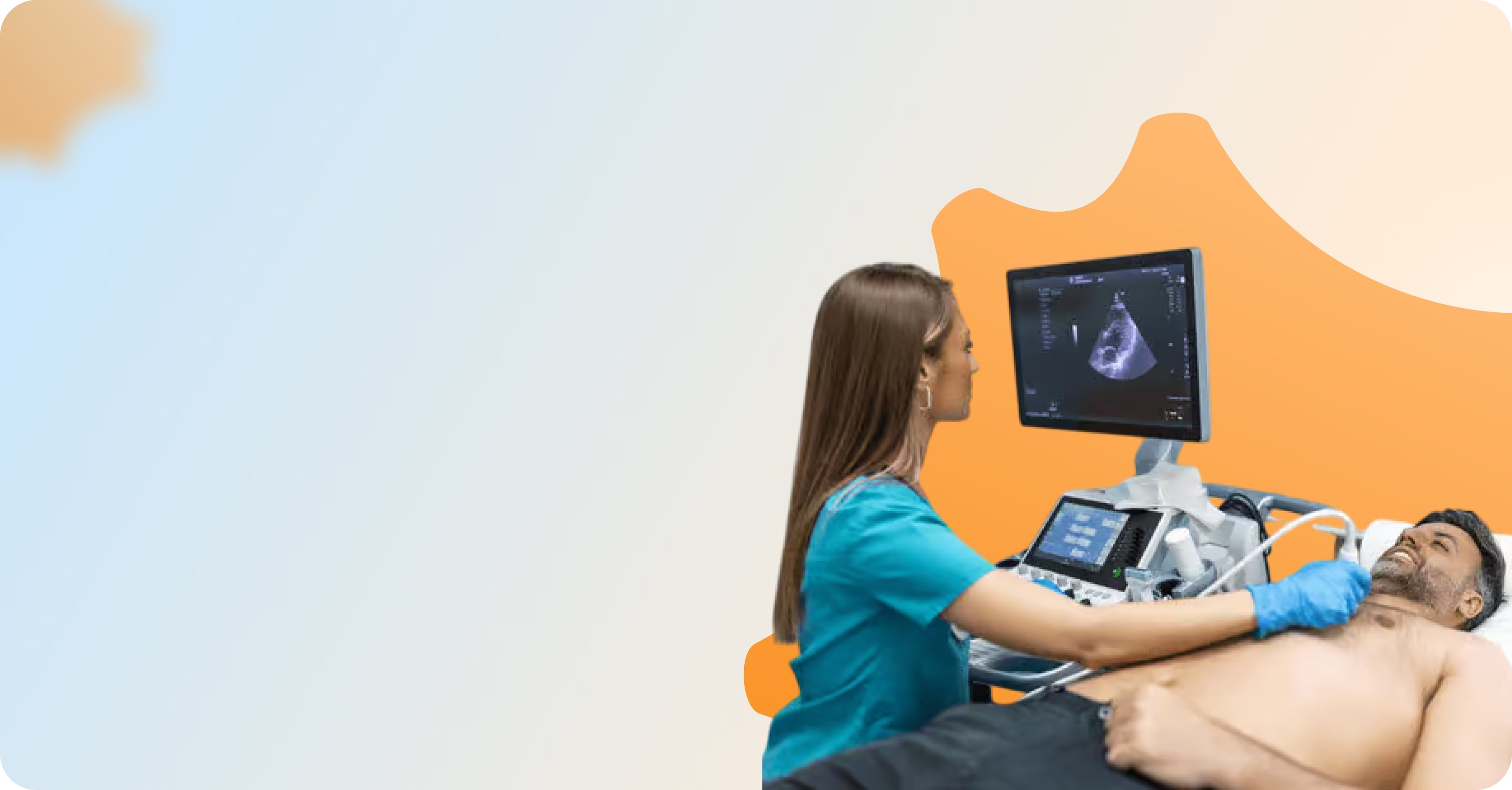

Gain detailed insights into your heart's structure and
function with our advanced echocardiography performed
by certified cardiac specialists.
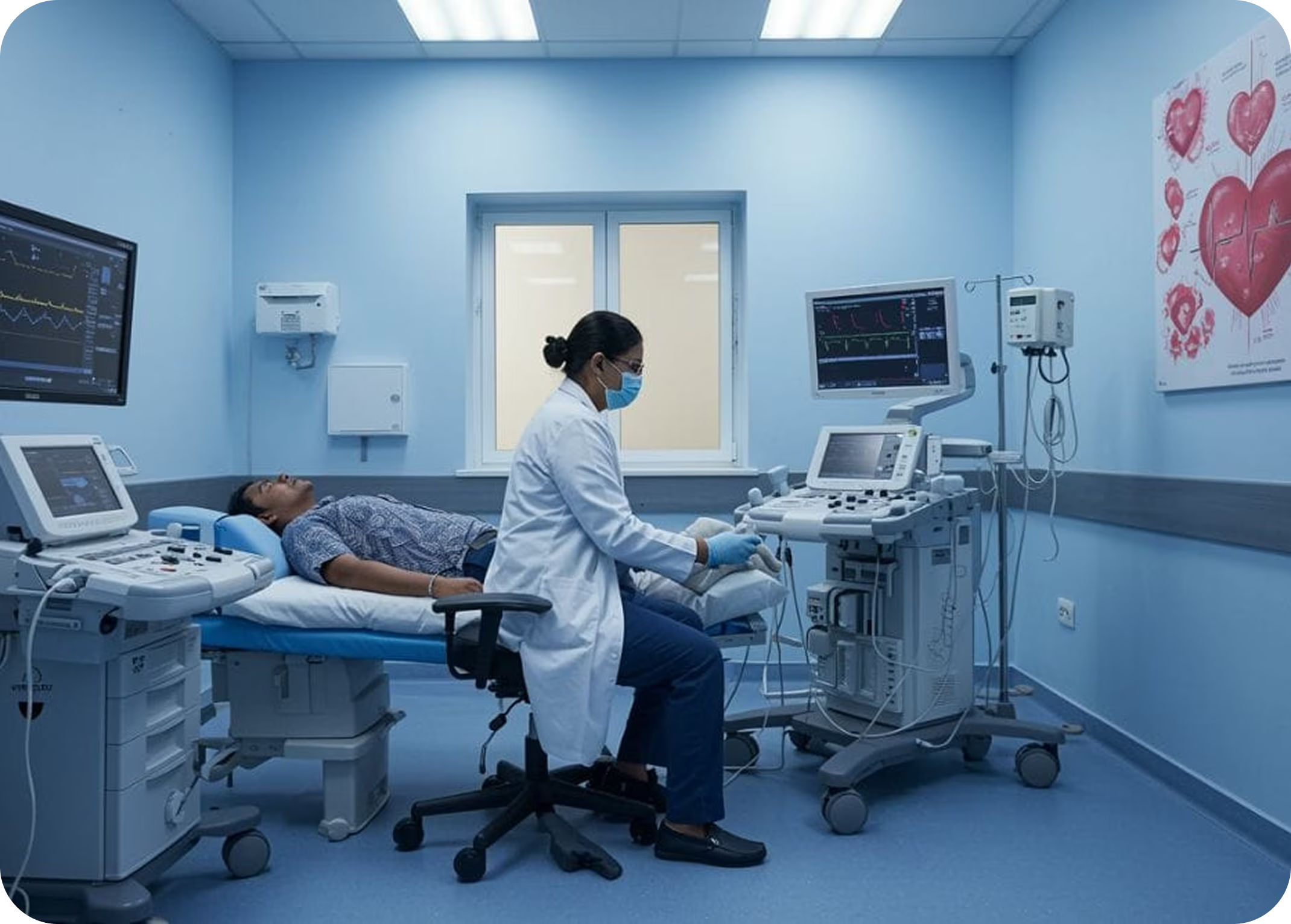
Echocardiography (Echo) assesses the heart’s structure and function using sound waves. A gel is applied to the chest, and a transducer creates real-time images of the heart. These images help doctors diagnose and monitor conditions such as valve disorders, congenital defects, cardiomyopathies, and pericardial effusions.
Echo is recommended for symptoms like sudden breathlessness, chest pain, or palpitations, and for patients with known heart disease. It also helps track treatment response and check for complications after a heart attack or surgery.
There are several different types of echo, and the type your cardiologist recommends will
depend on your presenting symptoms and needs. Other types of echo include
Get clear, step-by-step guidance to help you understand what to expect before, during, and after your echocardiogram. This overview ensures you feel confident, prepared, and fully informed for a smooth and comfortable heart imaging experience.

An echocardiogram (echo) is an ultrasound of the heart that uses sound waves to create moving images of your heart. It shows the heart's structure, chambers, valves, and blood flow, helping diagnose various heart conditions. It's completely safe and non-invasive with no radiation.
No, an echocardiogram is painless. A technologist will apply gel to your chest and move a transducer over the area to capture images. You may be asked to change positions or breathe in specific ways. Some pressure may be applied for better images, but it doesn't hurt.
A standard transthoracic echocardiogram typically takes 30-60 minutes. The actual imaging takes about 20-30 minutes, with additional time for preparation and setup. More complex echo studies may take longer.
For most echocardiograms, no special preparation is needed. Wear comfortable, loose-fitting clothing. You may need to undress from the waist up and wear a gown. Continue taking your regular medications unless instructed otherwise by your doctor.
An echo can detect heart valve problems, heart muscle damage, abnormal heart rhythms, heart enlargement, fluid around the heart, blood clots, congenital heart defects, and assess overall heart function including pumping strength and blood flow.
A cardiologist will analyze your echocardiogram images and prepare a detailed report, usually within 24-48 hours. Your referring physician will receive the results and discuss the findings with you, along with any recommended treatment or follow-up.
Yes, there are several types: Transthoracic (standard, through chest wall), Transesophageal (through esophagus for detailed images), Stress echo (combined with exercise or medication), and 3D echo. Your doctor will recommend the most appropriate type for your needs.
For a standard transthoracic echo, you can eat and drink normally. However, if you're having a transesophageal echo or stress echo, you may need to fast for several hours beforehand. We'll provide specific instructions when you schedule your appointment.
Book a Home Visit
Customer Care