info@vjscans.in|
 +91 958 5335 552


 info@vjscans.in| +91 958 5335 552
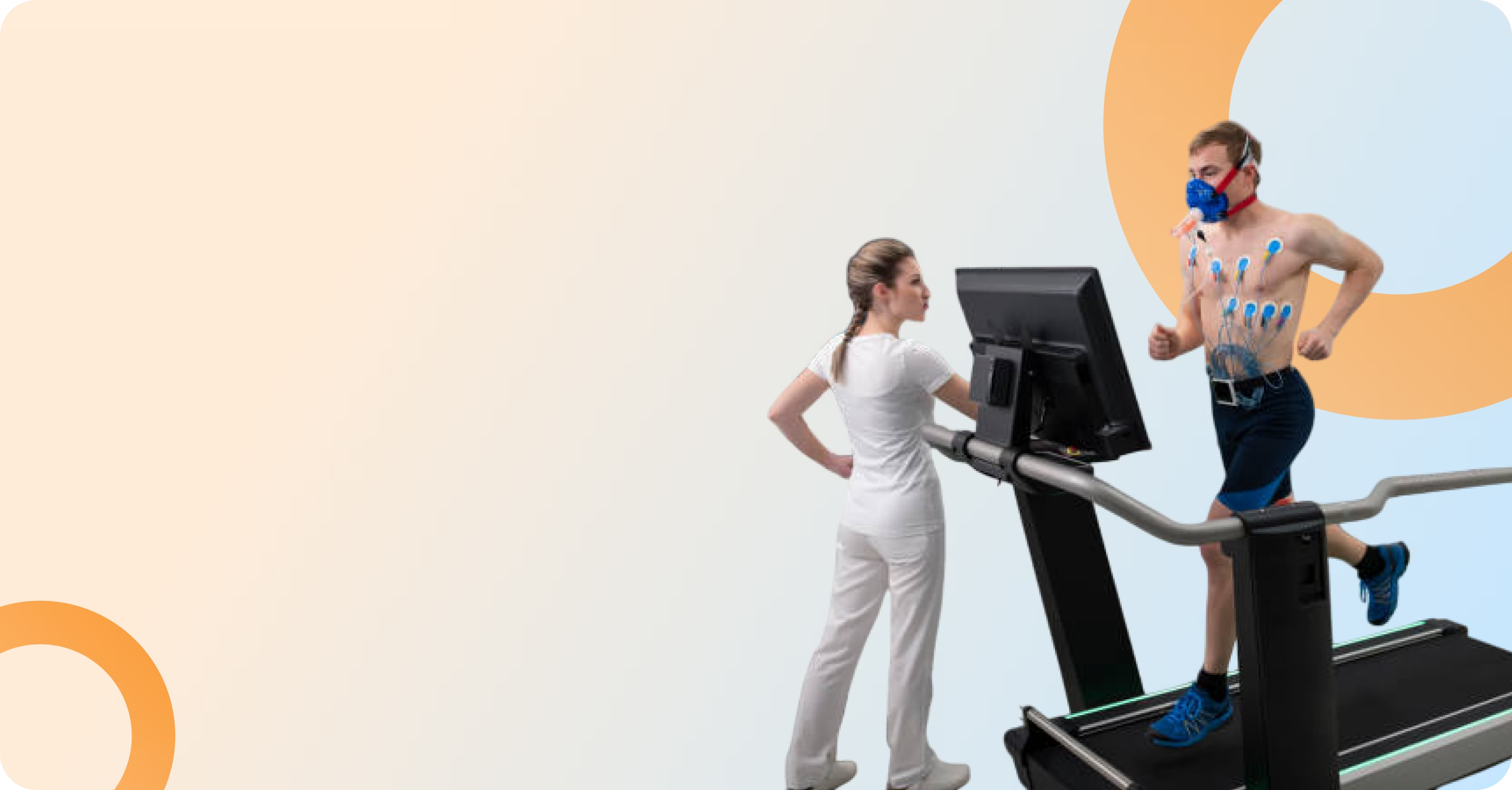

A Treadmill Test (TMT) is a controlled exercise-based
assessment that helps evaluate how your heart responds
to physical stress. It is a non-invasive test used to detect
heart-related issues, monitor blood flow, and assess
overall cardiac fitness.
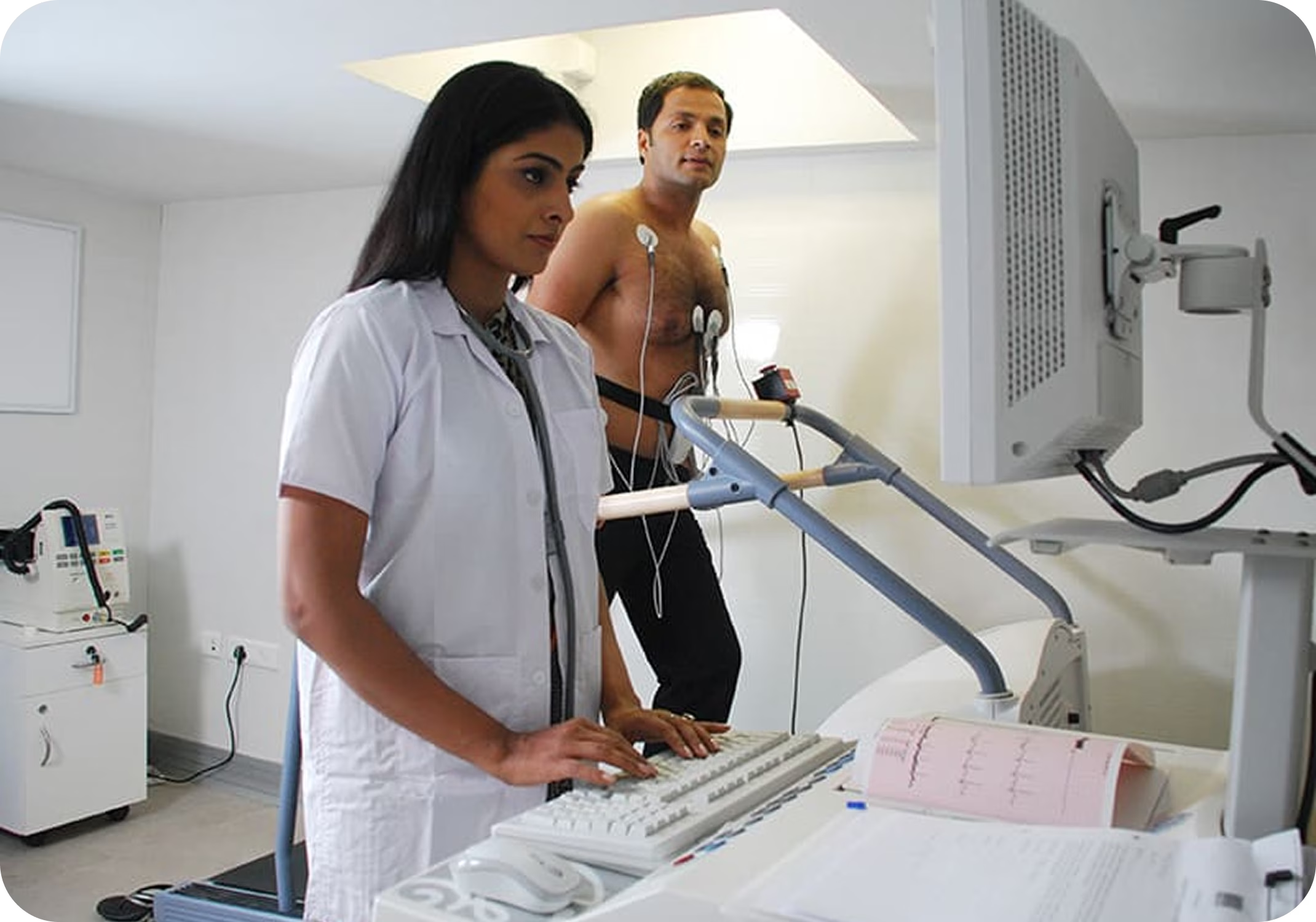
The TMT test (Treadmill Test), also known as the cardiac stress test or exercise stress test, is a widely used diagnostic procedure designed to evaluate how the heart functions when placed under physical stress.
While the heart may appear normal at rest, certain problems—especially those related to reduced blood flow in the coronary arteries—often become noticeable only during exertion. During the TMT, the patient walks on a treadmill that gradually increases in speed and incline, creating a controlled and progressively challenging workout.
Throughout the test, doctors closely monitor the patient’s heart rate, blood pressure, oxygen levels, and electrocardiogram (ECG) readings to detect any irregularities.
While the TMT test is generally considered safe, there are certain potential risks and limitations to be aware of. These may include discomfort or frustration during the task, temporary anxiety related to performance, and fatigue—especially for individuals with cognitive impairments. In some cases, results may be influenced by external factors such as stress, distraction, or unfamiliarity with testing environments.


Get clear, step-by-step guidance to help you understand what to expect before, during, and after your Treadmill Test (TMT). This exercise-based test measures how your heart responds to physical activity, helping your doctor assess blood flow, heart rhythm, and overall cardiac health.

TMT (Treadmill Test) or Exercise Stress Test evaluates how your heart performs during physical activity. You'll walk on a treadmill while your heart rate, blood pressure, and ECG are monitored. It helps diagnose coronary artery disease and assess heart function under stress.
Wear comfortable clothing and athletic shoes suitable for walking/running. Avoid eating a heavy meal 2-3 hours before the test. Continue your regular medications unless your doctor advises otherwise. Bring a list of your current medications and any previous heart test results.
The entire TMT appointment takes about 30-45 minutes. This includes preparation time (attaching electrodes), the actual exercise portion (8-12 minutes of walking on the treadmill), and a recovery period where you'll be monitored for a few minutes after exercising.
Yes, TMT is generally very safe when performed under medical supervision. Our trained staff monitors you continuously throughout the test. Rare complications can include abnormal heart rhythms or chest pain, but emergency equipment and personnel are always available.
TMT may not be suitable if you have recent heart attack, unstable angina, severe heart valve disease, uncontrolled high blood pressure, or certain arrhythmias. Your doctor will evaluate your condition and may recommend alternative stress tests if needed.
Electrodes will be placed on your chest to monitor your heart. You'll start walking slowly on the treadmill, and the speed and incline will gradually increase. The test continues until you reach your target heart rate, experience symptoms, or show ECG changes. You can stop anytime if needed.
A cardiologist will analyze your TMT data including ECG changes, heart rate response, blood pressure, and symptoms. Results are typically available within 24-48 hours. Your referring doctor will discuss the findings and recommend any necessary follow-up care or treatment.
Generally, continue your regular medications unless specifically instructed by your doctor. Some medications like beta-blockers may affect test results, so your doctor will advise whether to adjust them. Never stop medications without consulting your physician first.
Book a Home Visit
Customer Care